
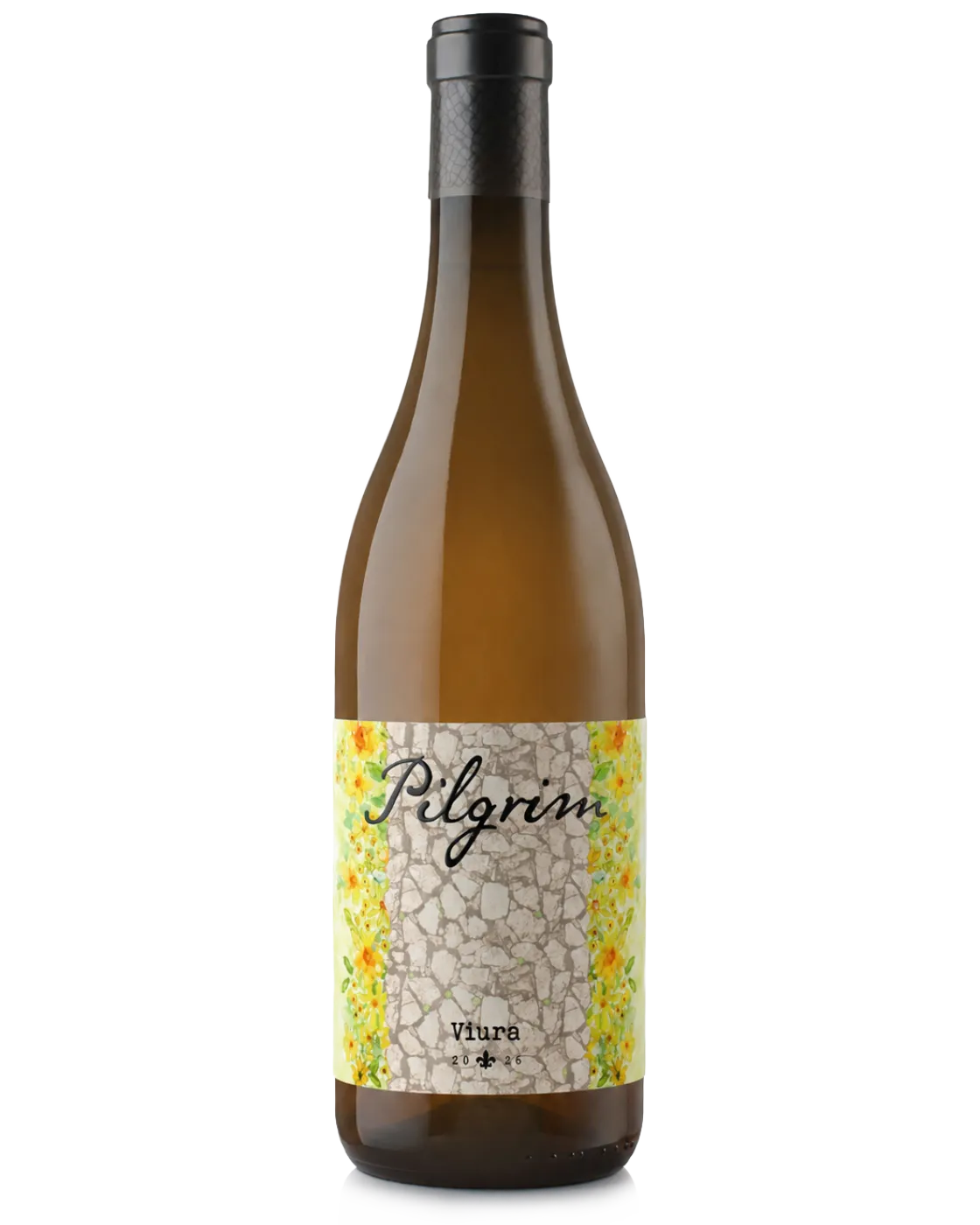
Tasting Notes
Viura is a white wine grape that has its origin in Spain, where it is well known and widely planted varietal in mainly the regions of Rioja and Catalonia. It is also known as Macabeo and also widely planted in the southern regions of France.
The vines yield generous amounts of big grape clusters, bigger berries with a thicker tough skin. Viura tends to manage drought stress extremely well, which makes it well suited for drier, warmer climates.
Known for its versatility in still, sparkling (think Cava), dry and sweet wines, the taste of Viura is seen universally as a fresh, floral and aromatic wine when harvested early and aged without oak. When harvested late, aged in oak, it tends to be weighty, honeyed and nutty.
These 200 vines are rooted in an ancient riverbed approximately four metres deep. Rich, fertile silt deposited across this old floodplain in the Breedekloof Valley sustains robust vines and fruit that carries a distinctive sense of heritage and place.
The 2026 season in the Breedekloof and Goudini area began with sound winter dormancy, uniform budding and ideal flowering conditions. Spring and early summer were exceptionally dry – only 20.8 mm was recorded from September to January – resulting in restrained canopy growth, smaller berries and low early disease pressure. Harvest started about seven days earlier than in 2025.
February rainfall and humidity briefly increased disease pressure in white vineyards, making timing and selection important. Even so, analytical results for the region’s early and late white varieties were excellent, with promising flavour development in the young wines. In this Viura, the season shows as pure perfume, bright yellow-fruit definition and concentrated flavour, balanced by clear freshness.
Both whole-bunch and freshly destemmed grapes were pressed immediately, and the juice was separated from the skins as quickly as possible. By minimising skin contact, we sought to avoid any skin-derived phenolic or reductive character and preserve a clean, pure expression of Viura.
Fermentation began and concluded naturally. The wine matured in the same barrels until it was racked and bottled with minimal intervention.
Bottled in July 2026
Colour: Bright, light gold with a subtle green-gold edge.
Nose: Initially slightly reserved, with a delicate reductive note that lifts quickly with air. Oxygen reveals a highly perfumed, floral nose of jasmine, yellow blossom and citrus flower, followed by yellow apple, ripe pear, quince and yellow peach. Subtle saline and earthy notes sit beneath the fruit.
Palate: Broad and layered, yet clean and energetic. Bright yellow fruit – yellow apple, pear, quince and peach – is carried by fresh acidity and a fine mineral-saline line. The texture is rounded without heaviness, and the finish is floral, precise and persistent.
The 2026 Viura is a pure, unmasked expression of the variety and its Breedekloof riverbed site. It may appear quiet at first, but a little oxygen draws its perfume and luminous yellow-fruit character beautifully to the fore.
Alcohol: 14.03 %
pH: 3.30
Total acidity: 5.16 g/L
Free SO2: 29 mg/L
Total SO2: 94 mg/L
Protein stability: Stable
Turbidity: 0.5 NTU

Sesame crusted trout on rice noodles with an Asian broth
Recipe, food preparation and text: Ilse van der Merwe.
Photography: Tasha Seccombe.
Styling: Nicola Pretorius & Tasha Seccombe.
